What Are Stainless Steel Bolts?
Stainless steel bolts are fasteners made with corrosion-resistant stainless alloys. Buyers choose them when the working environment includes humidity, outdoor exposure, food equipment, chemical contact, coastal air, or decorative requirements where ordinary carbon steel may rust too quickly.
For export buyers, the key point is not only the word stainless. The correct order should define the stainless grade, strength class, standard, size, thread, surface finish, packing and inspection requirement. A2, A4, 304, 316, A2-70 and A4-80 are often mixed together in RFQs, but they do not mean exactly the same thing.
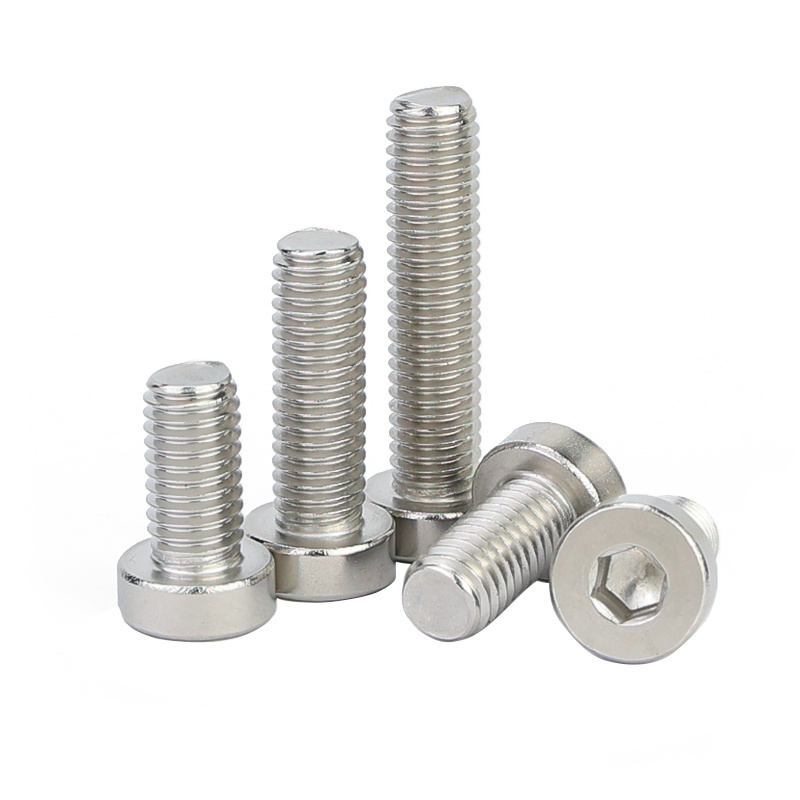
SEO Buyer Summary
This article is written for importers, distributors, OEM buyers and project purchasers searching for stainless steel bolts from China. It explains technical selection in plain procurement language and links the choice of A2/A4, 304/316 and A2-70/A4-80 to real sourcing decisions.
- Main keyword: stainless steel bolts.
- Supporting keywords: A2 stainless steel bolts, A4 stainless steel bolts, SS304 bolts, SS316 bolts, A2-70 bolts, A4-80 bolts.
- Search intent: learn the differences, avoid wrong-grade purchasing, and prepare a complete RFQ.
A2 vs A4, 304 vs 316: What Buyers Should Know
A2 stainless steel is commonly linked with 304-type stainless steel. It is widely used for general indoor, outdoor and industrial applications where corrosion resistance is needed but the environment is not heavily marine or chloride-rich.
A4 stainless steel is commonly linked with 316-type stainless steel. It contains molybdenum and offers better resistance in coastal, marine, chloride and certain chemical environments. If the bolt will be used near seawater, outdoor chemical equipment or high-humidity chloride exposure, A4/316 is often the safer specification.
Stainless Steel Bolt Strength Classes
Stainless steel bolts are not usually selected the same way as metric carbon steel grades such as 8.8, 10.9 and 12.9. For stainless bolts, buyers often see classes such as A2-50, A2-70, A4-70 and A4-80. The number indicates strength class, while A2 or A4 indicates stainless family.
If the application needs very high tensile strength, carbon or alloy steel bolts with suitable coating may be better. If corrosion resistance is the main requirement, stainless steel is often better. For critical applications, the drawing, standard and engineer's approval should decide the final grade.
Balanced choice for common stainless bolt orders.
Useful for coastal, outdoor and chloride exposure.
Selected when both stainless corrosion resistance and higher strength are requested.
Stainless Steel Bolt Selection Table
| Specification | Common equivalent | Main advantage | Typical applications | Buyer caution |
|---|---|---|---|---|
| A2 / SS304 | 304 stainless steel family | Good general corrosion resistance and availability | Machinery, furniture, indoor/outdoor equipment, general assembly | Not the best choice for seawater or heavy chloride exposure |
| A4 / SS316 | 316 stainless steel family | Better pitting and chloride resistance | Marine, coastal, chemical, food equipment, outdoor projects | Higher cost than A2/304; confirm actual grade and certificate |
| A2-70 | Common stainless bolt strength class | Balanced strength and corrosion resistance | DIN912, DIN933, ISO7380, DIN603, DIN6921 and similar bolts | Do not assume it equals carbon steel grade 8.8 |
| A4-80 | Higher class stainless bolt | Better corrosion resistance with higher strength than A4-70 | More demanding stainless assemblies | Check availability, size range and production route before confirming delivery |
Common Applications
Stainless steel bolts are used in equipment where corrosion resistance, hygiene or appearance is important. Typical industries include food machinery, outdoor construction, photovoltaic brackets, chemical equipment, water treatment, pump and valve systems, marine hardware, furniture, medical equipment and electrical enclosures.
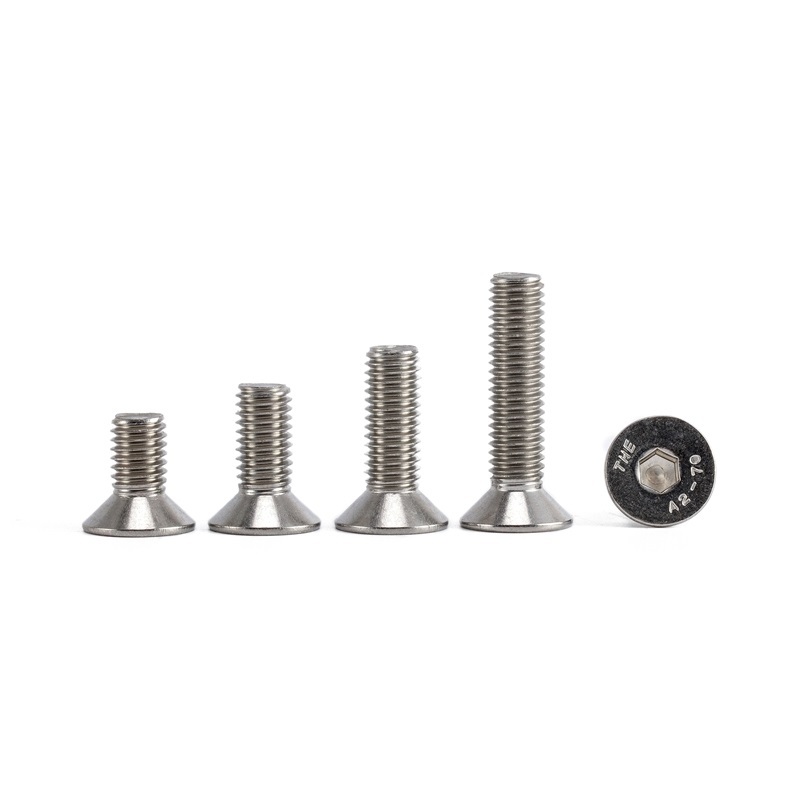
CSK flat head stainless bolts are used where the head needs to sit flush.
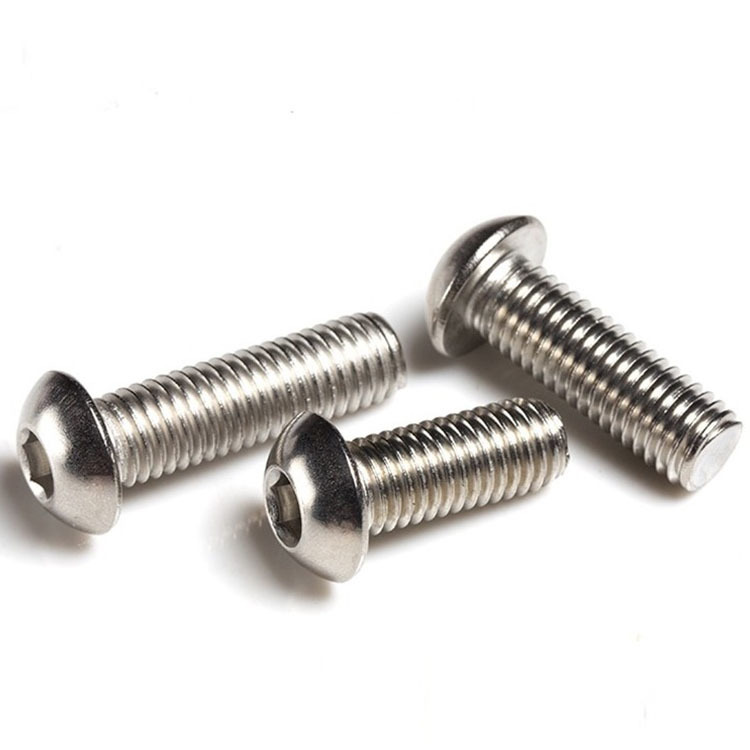
Button head bolts combine clean appearance with socket drive installation.
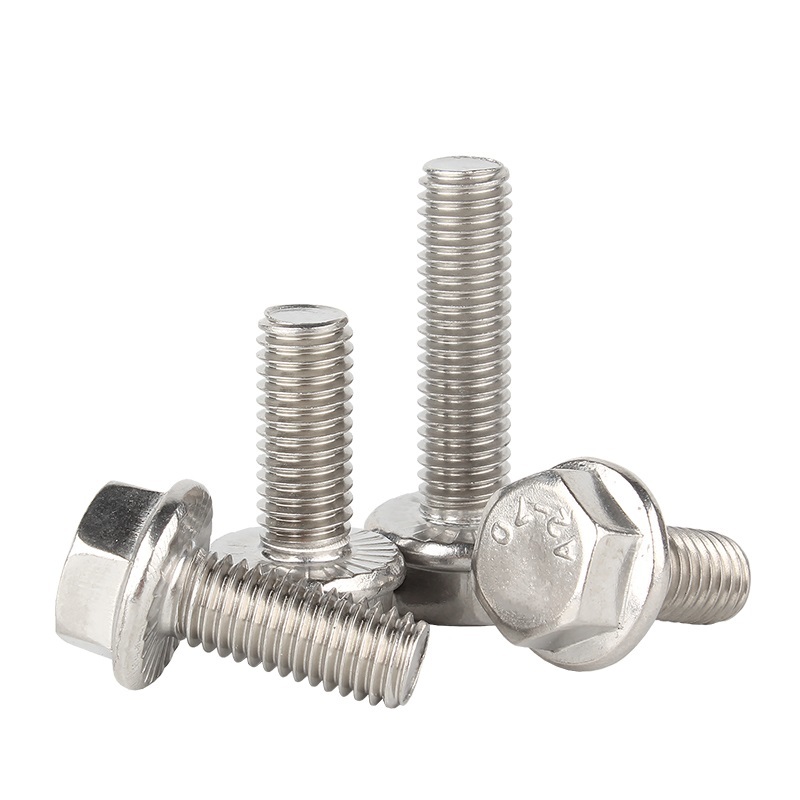
Flange bolts spread load under the head and are common in equipment assembly.
Recommended Buying Process
Indoor, outdoor, coastal, chemical, food equipment or marine use.
Choose A2/304 or A4/316 according to corrosion demand.
Specify A2-70, A4-70, A4-80 or drawing-defined class.
DIN, ISO, ANSI/ASME, ASTM, JIS, GB or custom drawing.
Carton, pallet, private label, barcode and export marks.
Inspection Checklist For Stainless Steel Bolts
For export orders, inspection should cover both the fastener dimensions and the stainless grade claim. A good stainless bolt order should not rely only on surface appearance.
Diameter, length, thread pitch, head height, socket depth, washer face and tolerance.
Grade declaration, material certificate, chemistry check if required, magnetic response review when relevant.
Passivation, cleaning, burrs, scratches, thread cleanliness and visible defects.
Tip: stainless steel can still discolor or corrode if the grade is wrong, if chloride exposure is severe, or if carbon steel contamination remains on the surface. For demanding projects, request passivation and proper packaging.
Factory Video Reference
For stainless steel bolts, video and photo confirmation can help buyers check head shape, thread quality, surface appearance, packing and batch consistency before shipment.
Expert Review
Reviewed by Rengong Fastener Engineering Team
This guide is prepared from factory production, inspection, packaging and export quotation experience at Handan Rengong Fastener Manufacturing Co., Ltd. For critical safety applications, final material and grade should be confirmed by the project engineer and applicable standard.
FAQ
What is the difference between A2 and A4 stainless steel bolts?
A2 stainless steel bolts are commonly associated with 304-type stainless steel and are used for general corrosion resistance. A4 stainless steel bolts are commonly associated with 316-type stainless steel and are preferred for marine, chloride or more corrosive environments.
Are stainless steel bolts stronger than carbon steel bolts?
Not always. Stainless steel bolts are selected mainly for corrosion resistance. Carbon steel alloy bolts such as grade 8.8, 10.9 or 12.9 can offer higher tensile strength, while stainless classes such as A2-70 and A4-80 have their own strength ranges.
When should I choose 316 stainless steel bolts?
Choose 316 or A4 stainless steel bolts for coastal, marine, chemical, outdoor or chloride-exposed applications where better pitting and corrosion resistance is needed.
What information should I send for a stainless steel bolt quotation?
Send the standard or drawing, diameter, length, thread pitch, stainless grade, strength class, quantity, surface requirement, packing method, destination and any certificate or inspection report requirements.
Useful Related Pages
Internal links help buyers continue from knowledge to product selection.
Need stainless steel bolts from China?
Send your standard, drawing, size, grade, quantity and packing requirements. Rengong can provide factory-direct quotation, OEM/ODM support and export packing for distributors worldwide.