Buyer Overview
A good custom fastener article should not only say "we can make it." Buyers need to know what can be manufactured, how risk is controlled, which material and coating options are realistic, and what information makes quotation faster.
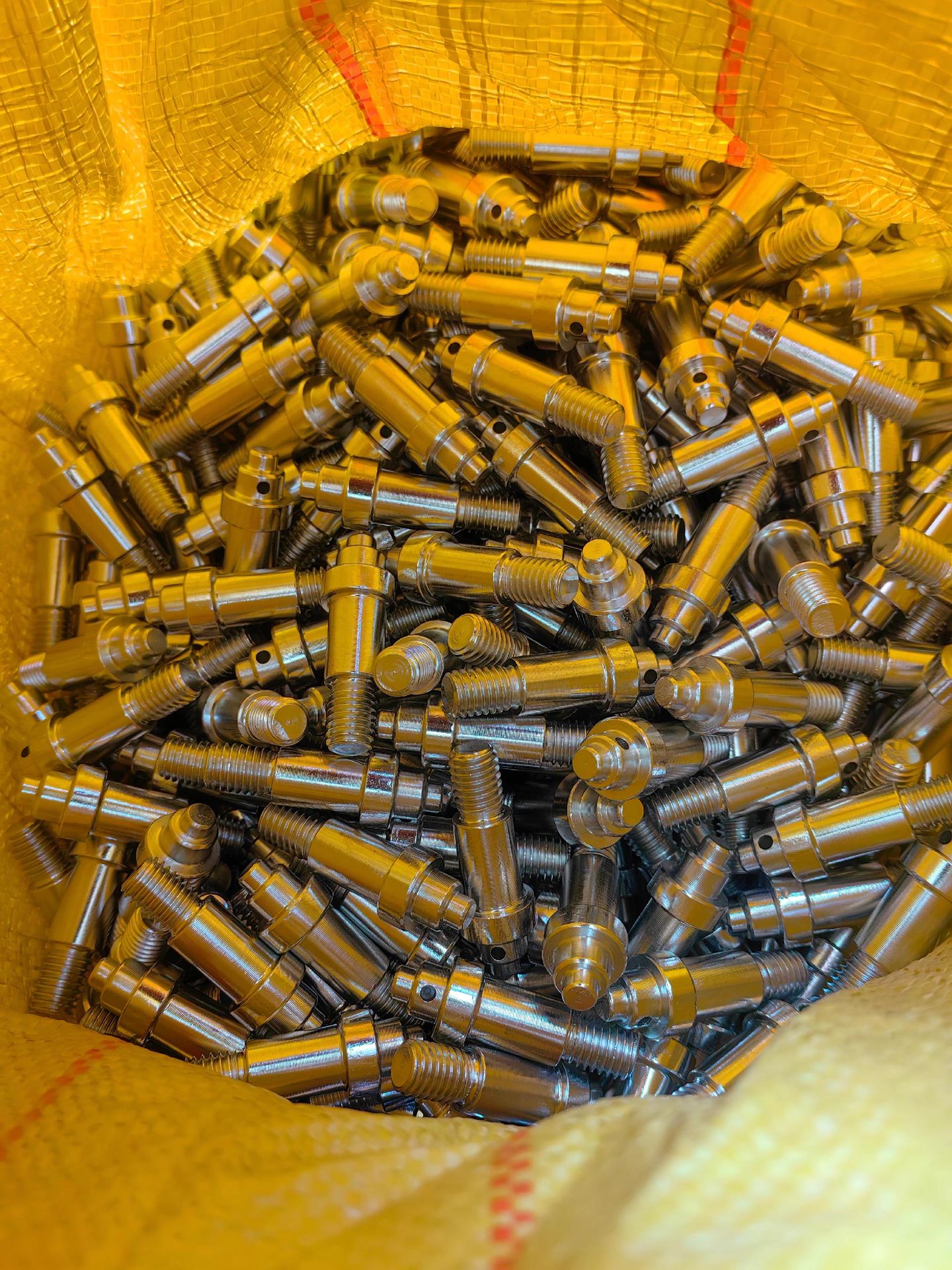
Research Notes: What Better Industry Articles Usually Cover
After reviewing strong international fastener buying guides and technical resources, the common weakness is clear: many explain materials or grades, but few connect quotation, sample confirmation, production route, coating risk, packaging, and export communication in one procurement workflow. This article is written for buyers who need a supplier decision, not just a definition.
- Combines RFQ checklist, materials, surface treatment, production flow, inspection, private-label packing and FAQ in one page.
- Uses factory-direct language so importers can understand how cost, lead time and quality supervision are controlled.
- Keeps external references limited and practical, with stronger internal conversion paths to WhatsApp and email.
RFQ Checklist
For the fastest quotation, send a drawing first. If no drawing is available, send clear photos with dimensions, thread size, head style and application. The more precise the information, the less back-and-forth and the faster the price.
| RFQ item | What to provide | Why it matters |
|---|---|---|
| Drawing or sample | 2D drawing, 3D file, sample photo, or original sample | Confirms geometry, tolerance and process route |
| Material | Q235, 35K, 45#, 40Cr, 35CrMo, 42CrMo, 304, 316 or equivalent | Affects strength, heat treatment, coating and price |
| Grade and hardness | 4.8, 8.8, 10.9, 12.9 or buyer specification | Determines heat treatment and inspection requirements |
| Surface treatment | Zinc, HDG, black oxide, phosphate, nickel, zinc flake, passivation, plain | Affects corrosion resistance, appearance and thread fit |
| Quantity | Sample quantity and bulk quantity | Determines tooling, unit price and lead time |
Materials And Grades
Carbon steel is normally the most cost-effective choice for industrial fasteners. Common options include Q235 for lower strength general parts, 35K for cold heading, 45# for medium carbon parts, 40Cr for alloy steel fasteners, and 35CrMo or 42CrMo for higher strength or heat-treated requirements. Stainless steel 304 and 316 are used when corrosion resistance is more important than high tensile strength.
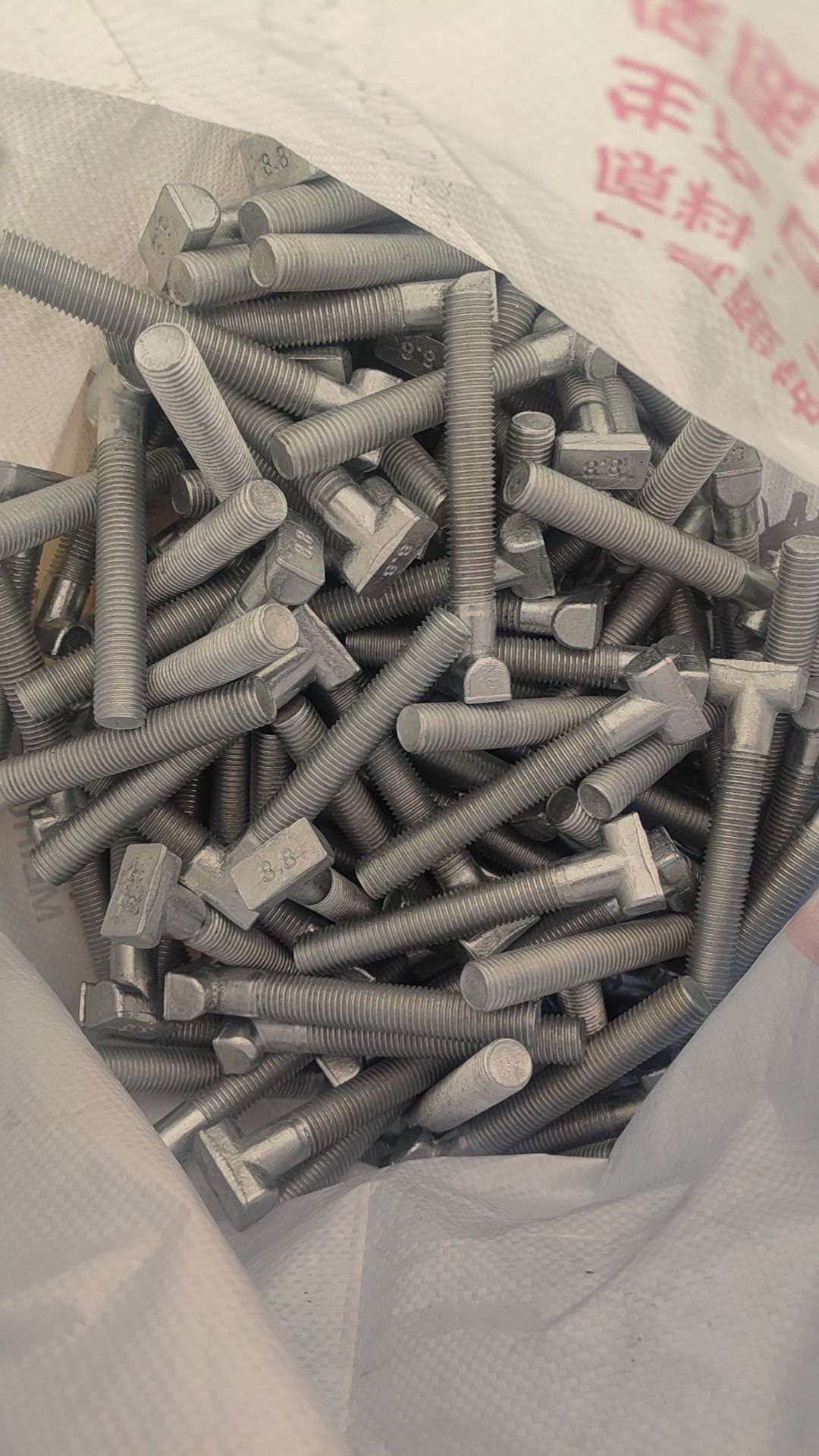
Grade and head marking should match the order requirement.
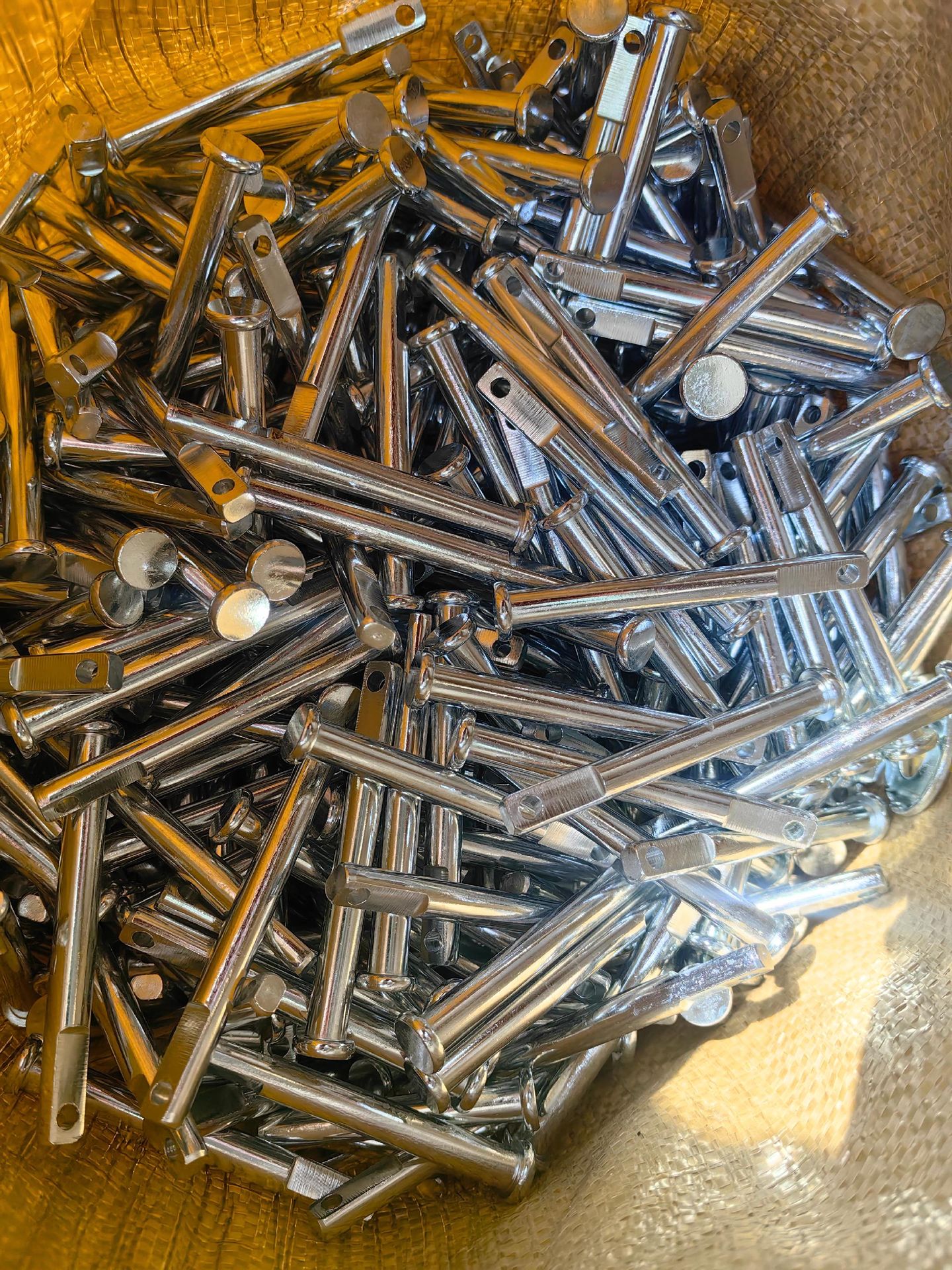
Thread length, shank diameter and holes can be customized.
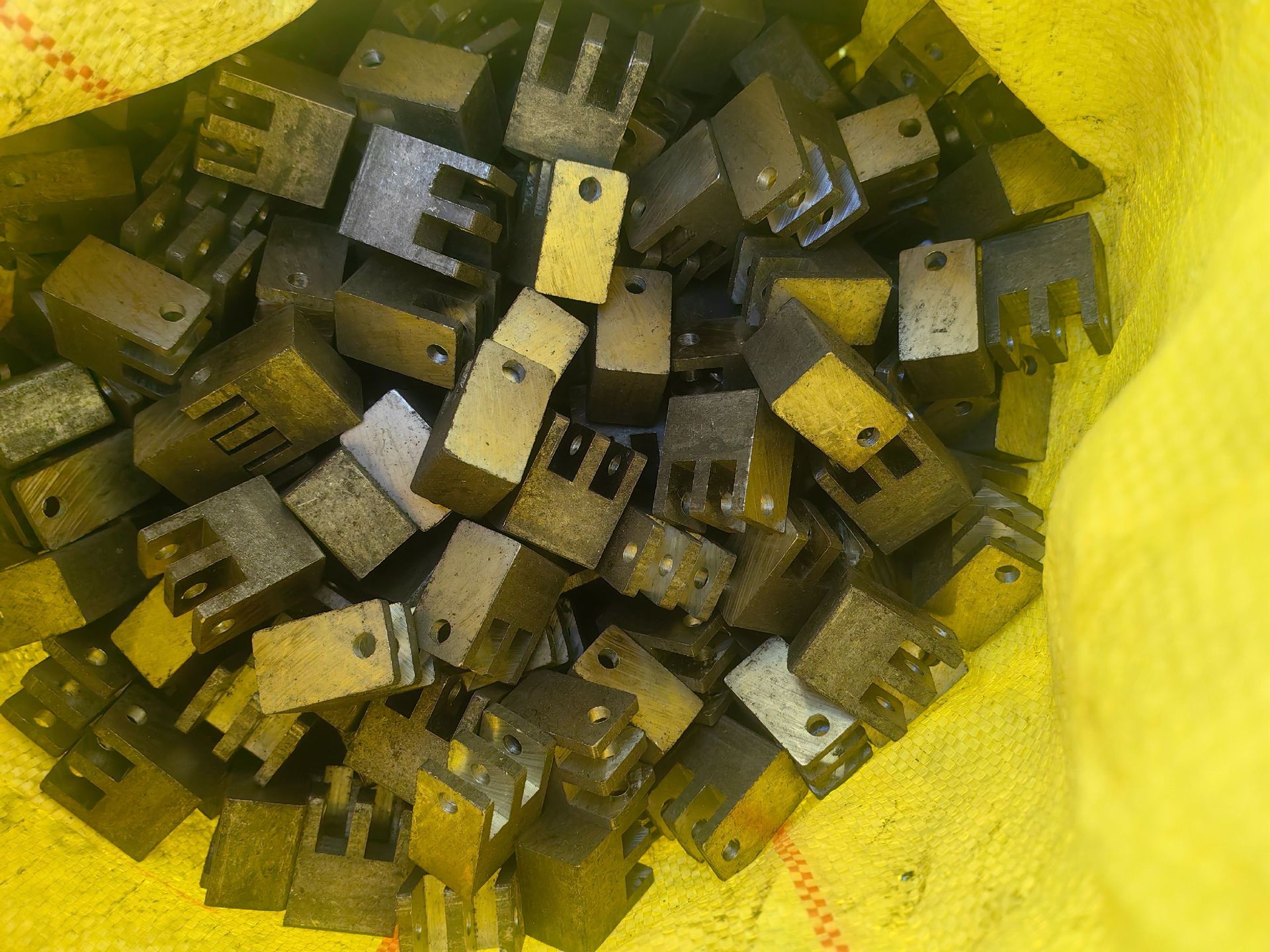
Packing can be neutral or private label.
Factory Process Flow
Check dimensions, thread, tolerance, application and risk points.
Source steel from stable mills or upstream suppliers.
Confirm machining, threading, heat treatment and coating route.
Forming, machining, threading and special processes under quality control.
Check dimensions, coating, hardness, packing and shipping marks.
Custom vs Standard Fasteners
Best when catalog dimensions and stock availability match the project.
Best for drawings, special lengths, holes, heads, materials and packaging.
Raw material, processing, inspection and packing are coordinated from one factory team.
| Item | Standard fastener | Custom non-standard fastener | Buyer tip |
|---|---|---|---|
| Lead time | Often faster when stock exists | Depends on drawing, sample and tooling | Send target delivery date early |
| Price | Stable for catalog items | Driven by material, process and quantity | Batch quantity improves unit cost |
| Risk | Lower if standard is clear | Needs sample confirmation | Approve sample before mass production |
| Packaging | General carton or pallet | Can be private-label and project-specific | Send label artwork before packing |
Inspection And Packaging
Quality control should follow the part function. For simple non-standard fasteners, dimensions, thread fit, coating appearance and packing marks may be enough. For higher strength products, hardness, tensile properties, heat treatment records and coating thickness may be required. Special or auxiliary processes can be supported by cooperative factories, while Rengong supervises quality throughout the order.
Factory Video Reference
Use video review together with drawings and inspection photos. For custom parts, short process clips can help confirm head forming, threading, coating color, packing method, and final appearance before shipment.
Expert Review
Reviewed by Rengong Fastener Engineering Team
This guide is prepared from factory production, inspection, coating, packaging, and export quotation experience at Handan Rengong Fastener Manufacturing Co., Ltd. For critical structural applications, final design should also be confirmed by the project engineer and applicable standard.
FAQ
Can Rengong make fasteners from drawings?
Yes. Rengong can quote and manufacture non-standard fasteners from drawings, samples, photos, material grades, coating requirements and packaging requirements.
What information should be sent for a fast quotation?
Send the drawing or sample photo, dimensions, tolerance, material grade, strength grade, surface treatment, quantity, application, packaging request and target delivery time.
Can samples be customized before bulk production?
Yes. For many non-standard fasteners, samples can be arranged first so buyers can confirm dimensions, thread, coating appearance, hardness and packing before mass production.
What materials are commonly used for custom fasteners?
Common choices include Q235, 35K, 45#, 40Cr, 35CrMo, 42CrMo, stainless steel 304 and stainless steel 316. Material should match the application load, corrosion environment and production process.
Useful External References
External links are kept limited and used only for technical context.
Need a price for drawings, samples or bulk orders?
Send material, grade, surface treatment, quantity, drawing or sample photos. We will reply with process suggestions and a factory-direct quotation.