What Metric Bolt Grades Mean
Metric property classes such as 8.8, 10.9 and 12.9 are not random product names. They indicate strength level and help buyers, engineers and factories align material, heat treatment, inspection and use conditions.
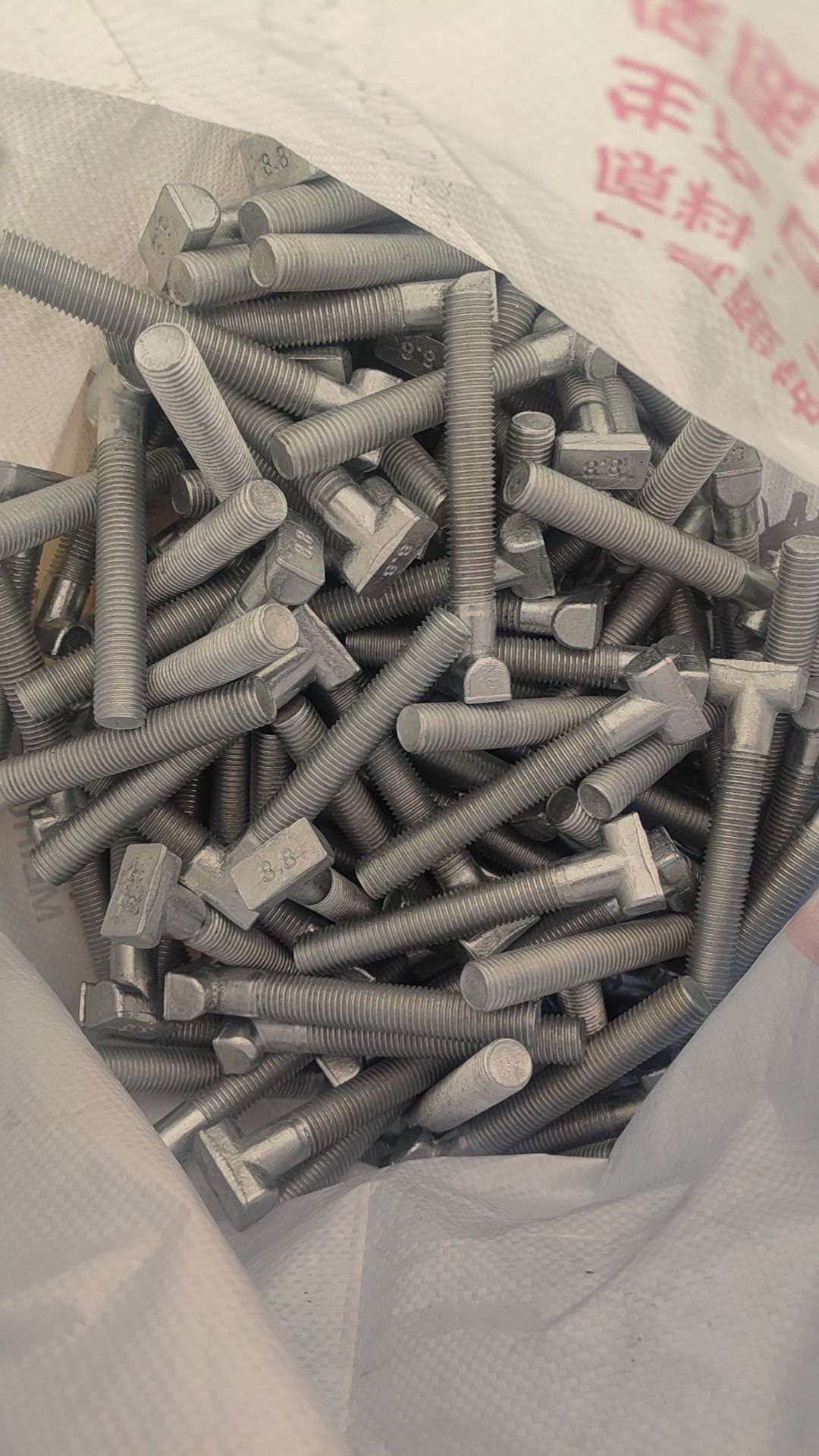
Research Notes: Going Beyond Basic Grade Charts
Many competitor articles explain that grade numbers represent strength, but buyers still need to know when a stronger bolt is not automatically better. This guide adds sourcing details: material route, coating caution, inspection, packing and RFQ information.
- Explains 4.8, 8.8, 10.9 and 12.9 from a purchasing and factory-production angle.
- Connects high-strength grades with heat treatment, hydrogen embrittlement risk and coating selection.
- Adds inspection and quotation checklists so the article can support real orders.
Grade Comparison Table
Balanced choice for many machinery and construction hardware orders.
Use when load demand is higher and tightening control is specified.
Not a universal upgrade; design, material, coating and use conditions matter.
| Grade | Typical strength level | Common material route | Common use | Buyer caution |
|---|---|---|---|---|
| 4.8 | Low to medium | Low carbon steel | Light duty assembly, general hardware | Not for high-load joints |
| 8.8 | High strength general metric grade | Medium carbon or alloy steel with heat treatment | Machinery, construction hardware, brackets | Confirm coating and head marking |
| 10.9 | Higher tensile strength | Alloy steel with controlled heat treatment | Automotive, equipment, high-load assembly | More attention to tightening and coating |
| 12.9 | Very high strength | Alloy steel with strict heat treatment | High-stress machinery and mold fixtures | Design, embrittlement and installation control are critical |
Material Choices
Common carbon and alloy steel choices include 35K, 45#, 40Cr, 35CrMo and 42CrMo. The best choice depends on cold heading, machining, heat treatment, size, application load and target price. For custom bolts, material confirmation should come before sample production.
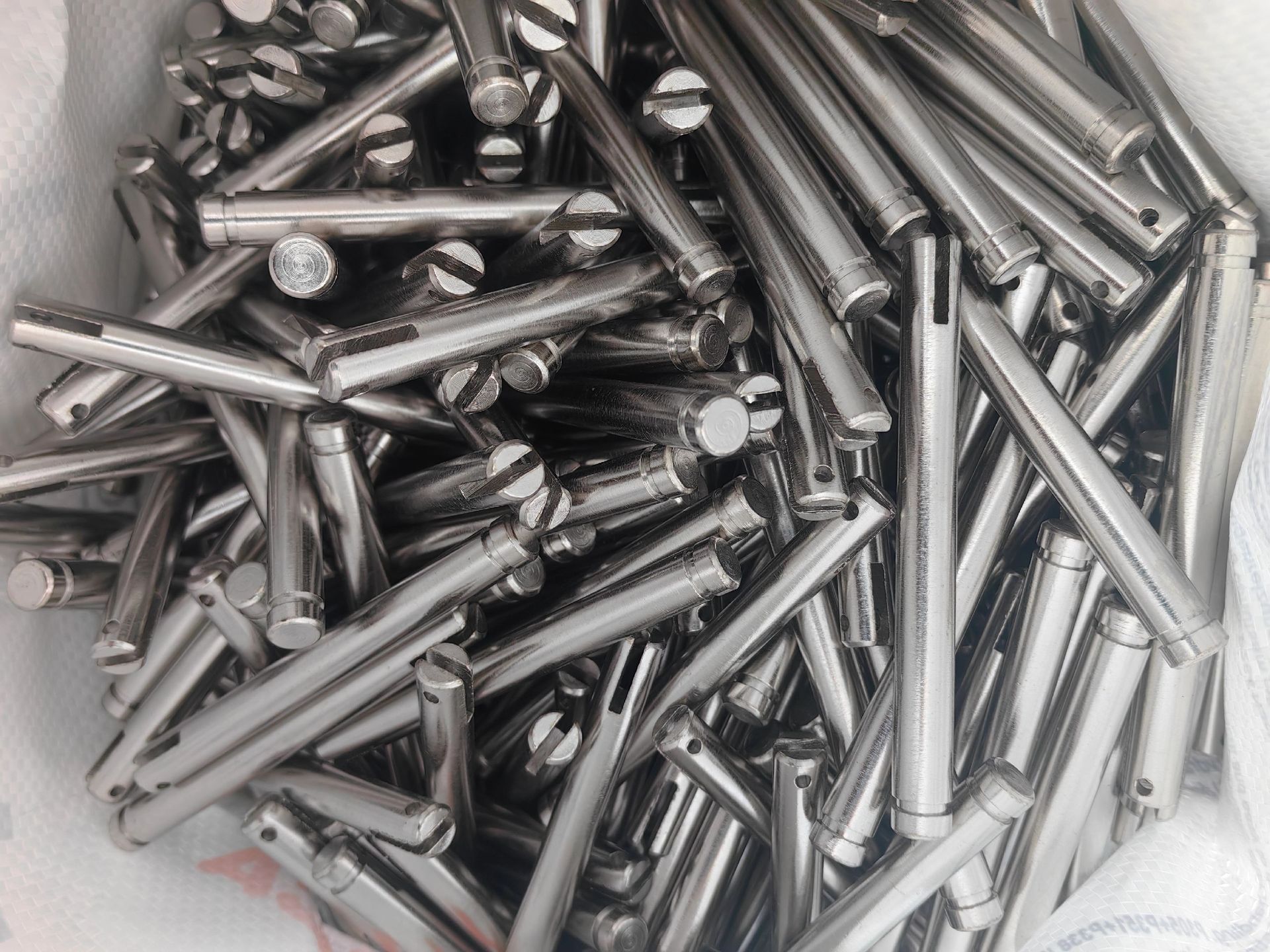
Batch production should keep grade and thread consistent.
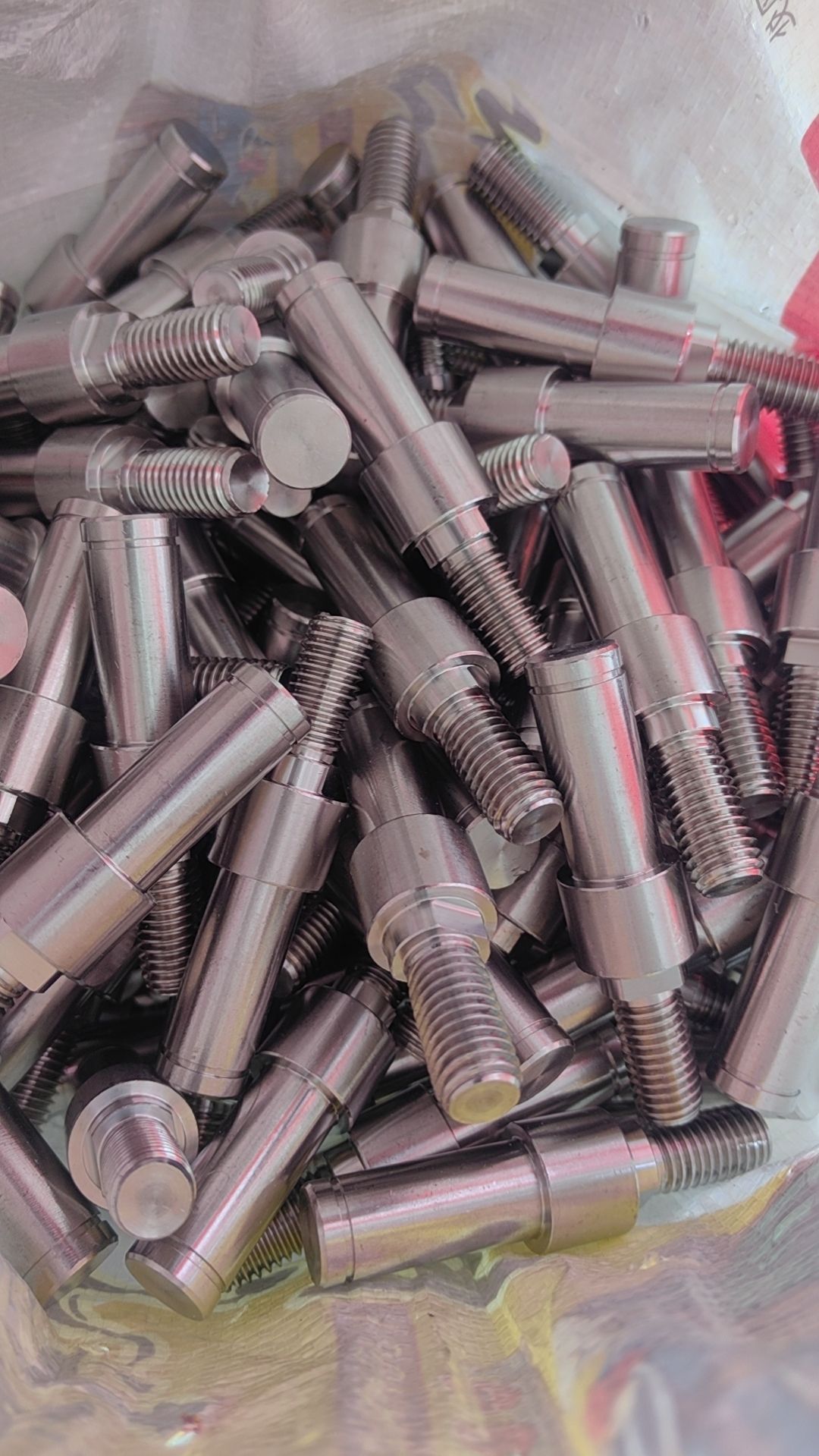
Dark finishes need application-specific corrosion review.
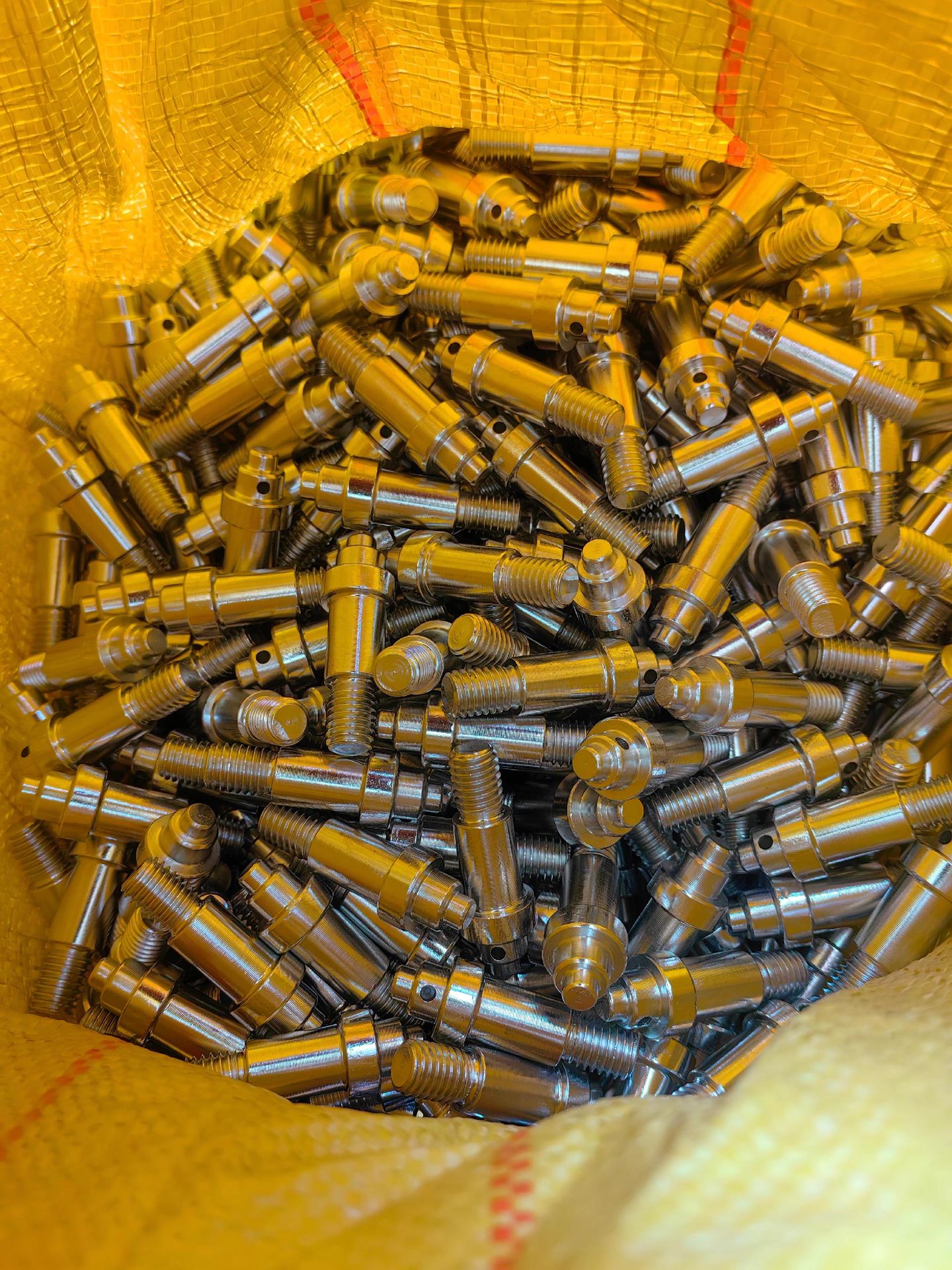
Special geometry can be combined with heat treatment and coating.
Coating Caution For High Strength Bolts
Surface treatment is not only a color choice. Electroplated zinc, hot-dip galvanizing, black oxide, phosphate and zinc flake all affect appearance, corrosion resistance, thread fit and risk control. For 10.9 and 12.9, buyers should confirm whether the coating route is suitable for high strength steel and whether baking or alternative non-electrolytic coating is required.
Start with drawing and application load.
Match grade, heat treatment and size.
Consider corrosion, thread fit and risk.
Check head marking, hardness and finish.
Protect threads and separate labels by batch.
Buying Checklist
When asking for price, include grade, standard, diameter, length, thread pitch, quantity, surface treatment, packing, destination port and whether documents such as material certificate, inspection report or coating thickness report are needed.
Factory Video Reference
Use video review together with drawings and inspection photos. For custom parts, short process clips can help confirm head forming, threading, coating color, packing method, and final appearance before shipment.
Expert Review
Reviewed by Rengong Fastener Engineering Team
This guide is prepared from factory production, inspection, coating, packaging, and export quotation experience at Handan Rengong Fastener Manufacturing Co., Ltd. For critical structural applications, final design should also be confirmed by the project engineer and applicable standard.
FAQ
Is 12.9 always better than 8.8?
No. Grade 12.9 has higher strength, but it is less forgiving and needs correct application design, heat treatment, coating selection and installation control. Grade should match the actual load and environment.
Can high strength bolts be zinc plated?
High strength fasteners need careful coating selection because electroplating can create hydrogen embrittlement risk. For critical applications, non-electrolytic zinc flake, mechanical coating or specified process control may be preferred.
What grade should be used for general machinery?
Many general machinery and structural applications use 8.8 or 10.9, but final grade should follow drawing, standard and engineer approval.
What should be inspected for high strength bolts?
Typical checks include dimensions, thread, head marking, hardness, mechanical properties, surface treatment, appearance, packing marks and batch traceability.
Useful External References
External links are kept limited and used only for technical context.
Need a price for drawings, samples or bulk orders?
Send material, grade, surface treatment, quantity, drawing or sample photos. We will reply with process suggestions and a factory-direct quotation.